I make AI products easy to trust.

I’m Albear Halim, a product designer. At Incorta, a US data and analytics company, I design the AI features, and I build them as working prototypes people can click before anyone writes the code.

Play with sound
How I work, in five steps 0:32
  1. Design what people can check.
  2. Prototype in code, at real scale.
  3. Audit it before anyone reviews, with UX Crit.
  4. Review it inside the ticket, with UX Lab.
  5. Ship it to real people: 25 US pharmacies run on HiPharmacist.
Org-wide
UX Crit, my design review plugin, rolled out across Incorta
25
US pharmacies run their day on the platform I led UX for
20+
clients in five countries since 2017

What I do at Incorta.
Designing the AI layer.

Incorta is a data platform large companies use to analyse their business. I design the AI on top of it. The work is under NDA, so here it is in plain words.

Albear Halim, product designer, seated in his studio
Now
User Experience Designer at Incorta, since February 2026
Before
Product designer and UX lead at Neevi Studio, USA, 2022 to 2026
Experience
Product design since 2022; brand design since 2013
Languages
English and Arabic
Based in
Alexandria, Egypt
More about me
  1. 1

    Ask your data

    People ask a question about their company’s data and get an answer, with the steps and the sources behind it. I designed the chat, its history, and what the AI is allowed to read.

  2. 2

    Who can use which AI, and how much

    Admins decide who can use which AI model, how much each team can spend, and what happens when a budget runs out. Four weeks of daily reviews with the product lead.

    “The cleanest breakdown of logic I’ve seen.”Product lead at Incorta
  3. 3

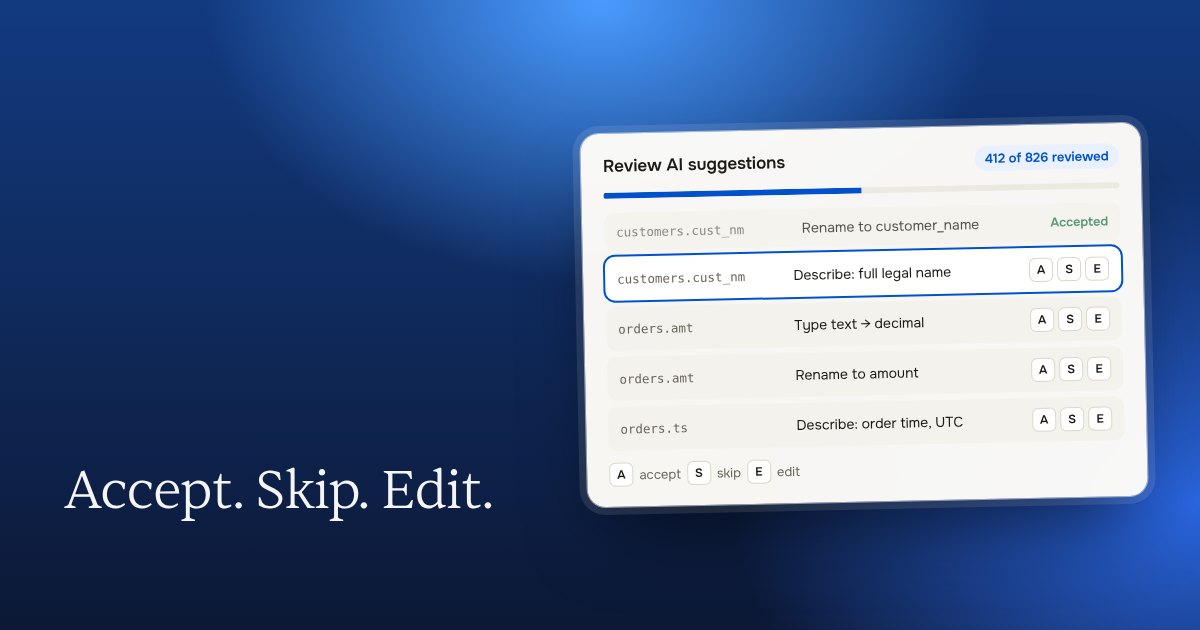
    Checking AI suggestions

    When the AI proposes changes to thousands of data fields, a person has to check them. I designed a review screen with one change per row, cleared from the keyboard.

Selected work.
Shipped products and working prototypes.

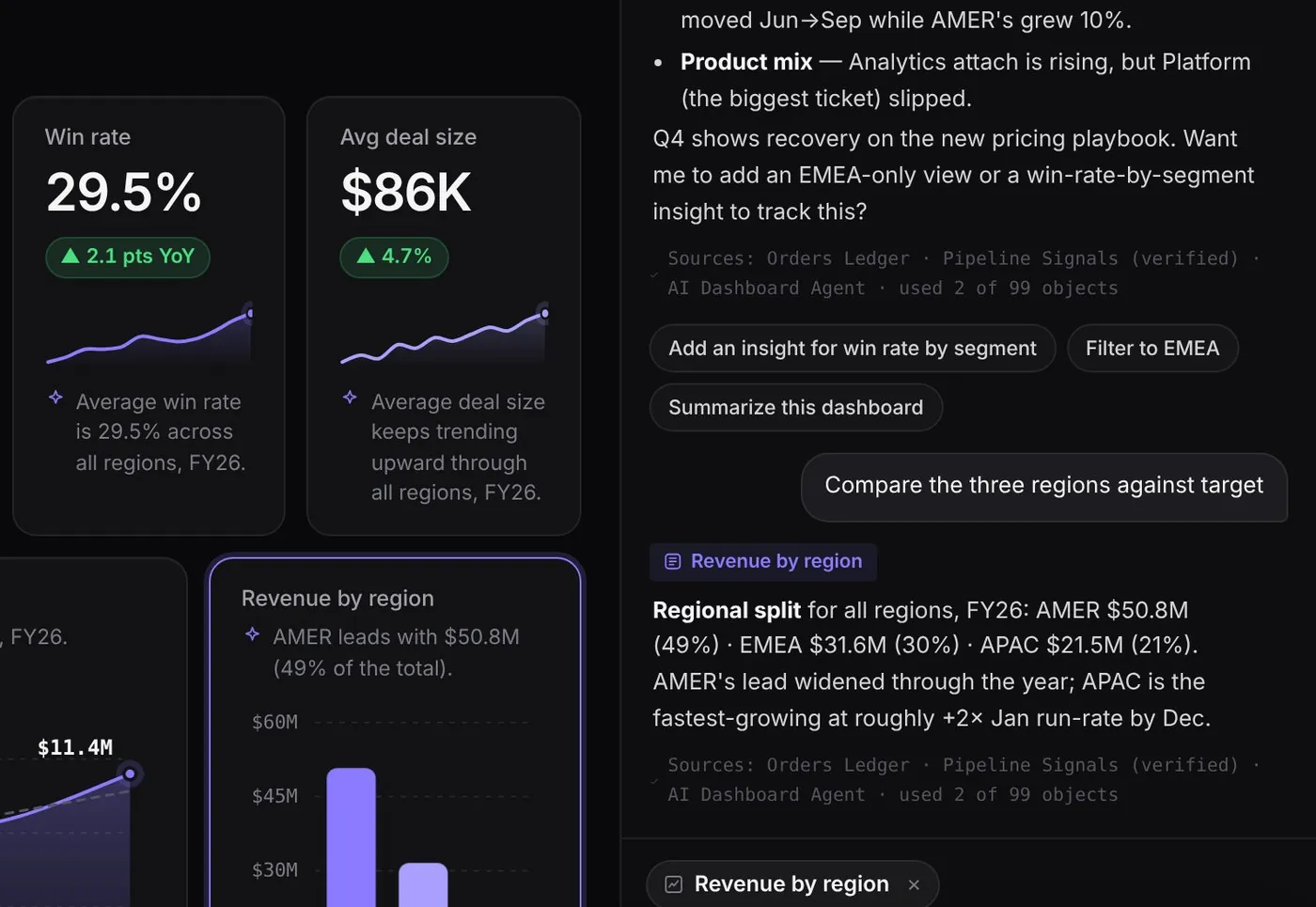
AI Native Dashboard: a revenue dashboard with an AI chat beside it; each answer lists the data it used
Every answer names its sources
Complex data product, concept

AI Native Dashboard

What it is
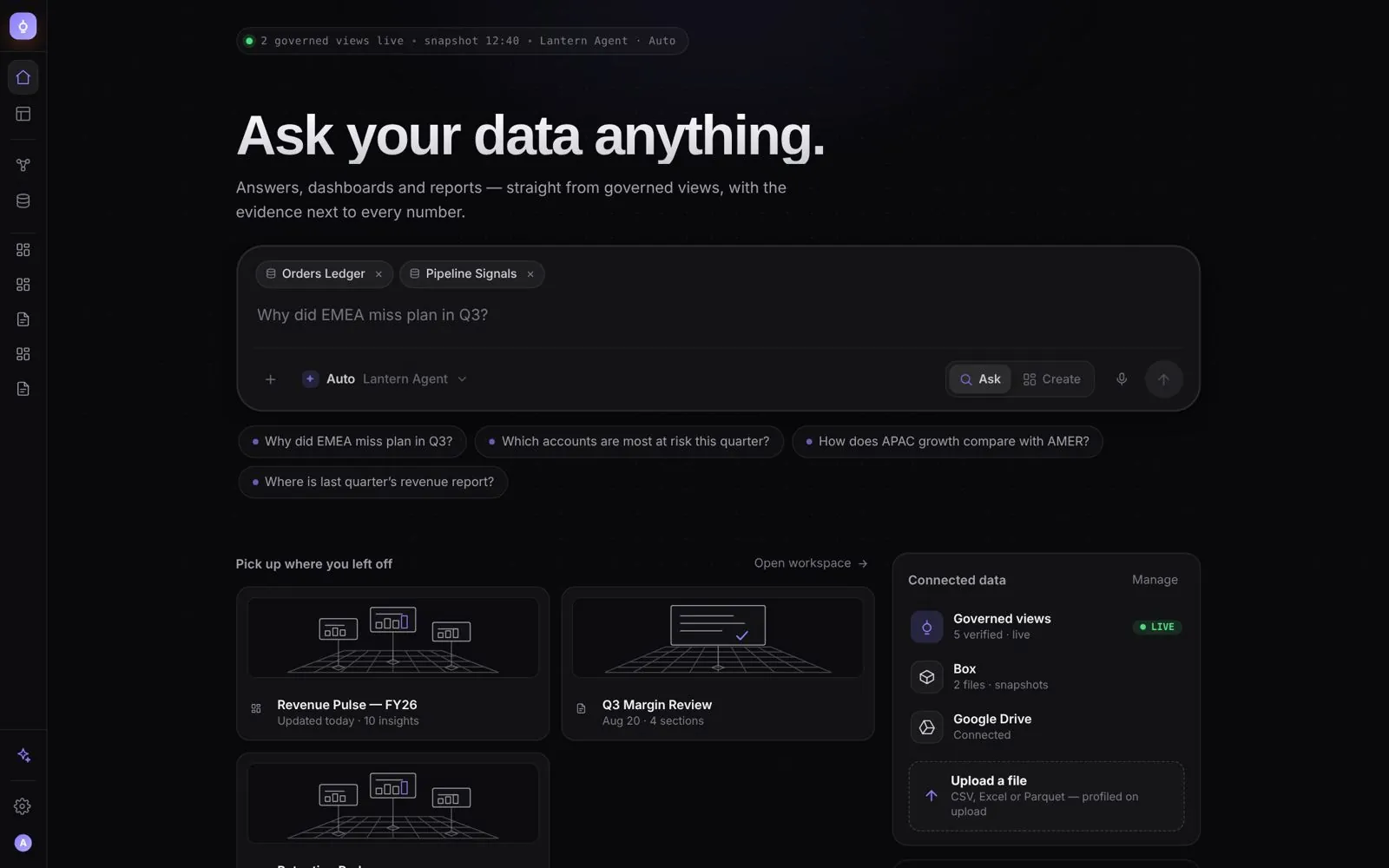
My concept for an AI-first analytics product: ask your data a question, get the answer and the proof.
My role
Everything: research, UX, the design system and the working prototype.
Result
A working prototype, light and dark, with every state checked.
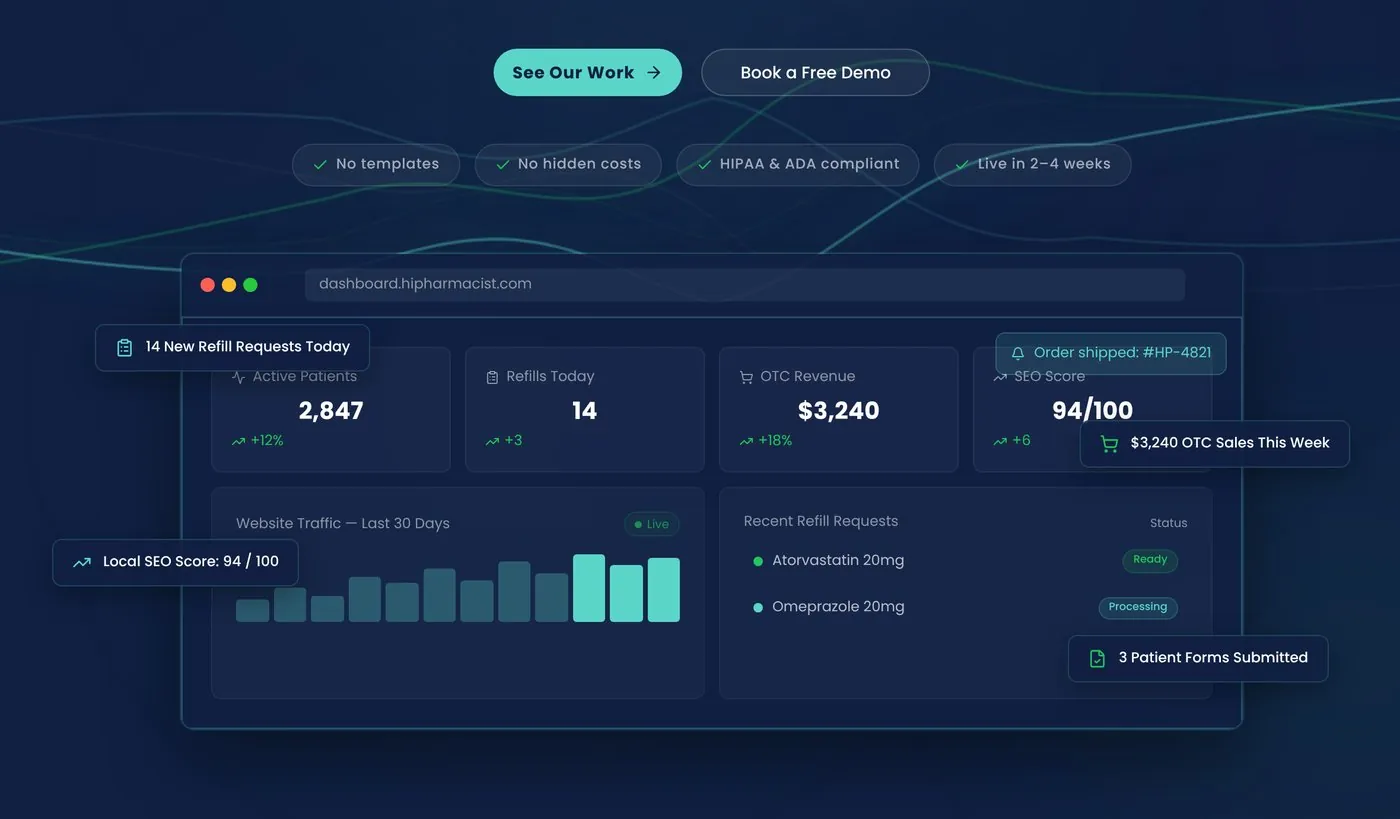
Read the case
hipharmacist.com home page: two actions, and the pharmacy dashboard shown working below them
The product, shown working on the home page
Website, Neevi Studio

HiPharmacist Website

What it is
hipharmacist.com, the website that sells the platform to pharmacy owners.
My role
All of it: copy, design, film, interactions and the build.
Result
Live at hipharmacist.com, with a 22-email sequence that tells a new owner what happens next.
Read the case
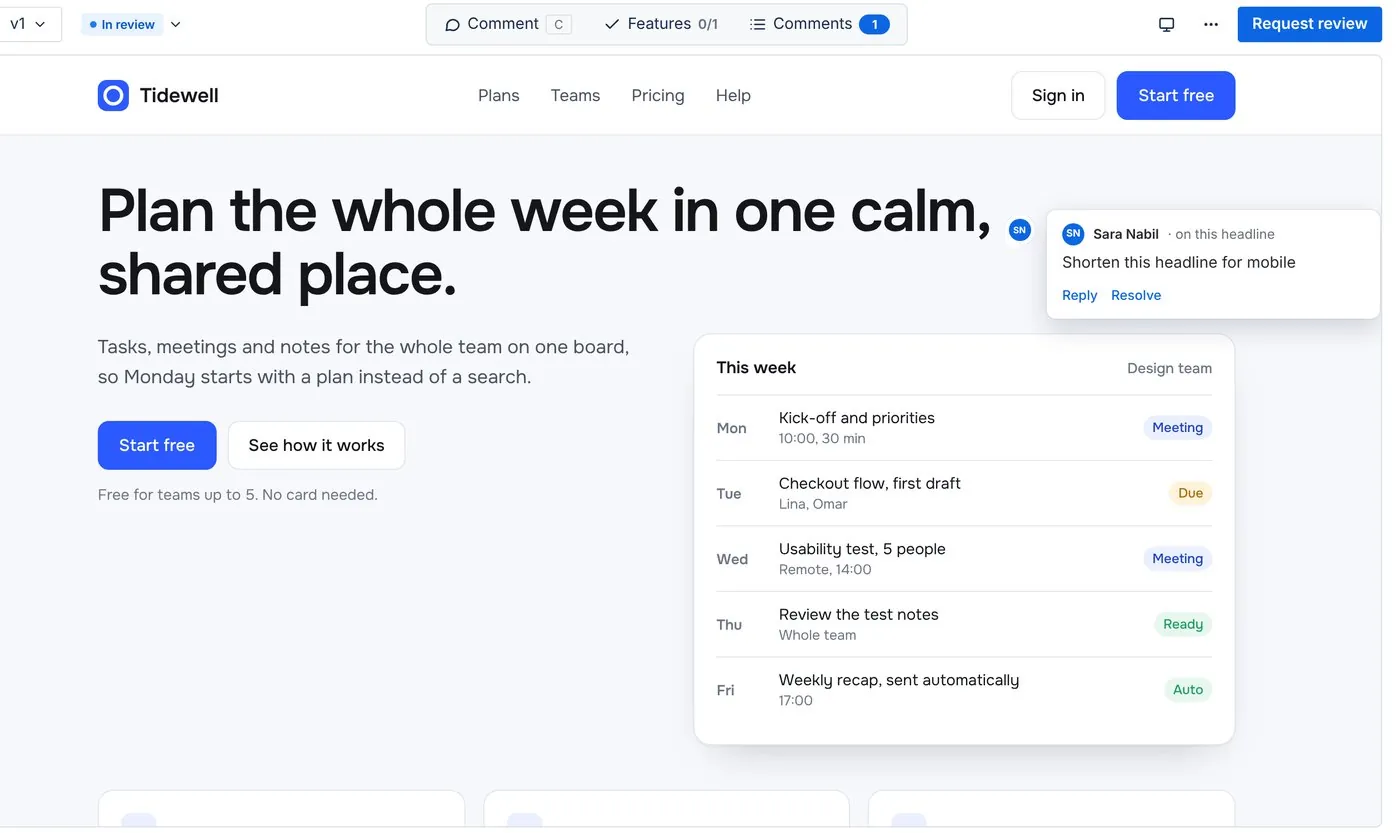
UX Lab inside a Jira ticket: a prototype under review, with a comment pinned to its headline
A review note pinned to this headline
Jira app, 2026

UX Lab

What it is
A Jira app for reviewing design prototypes inside the ticket: comments, versions and approval.
My role
Designed and built it. My first Atlassian Forge app.
Result
Tested across 34 real flows; in beta with the product team.
Read the case
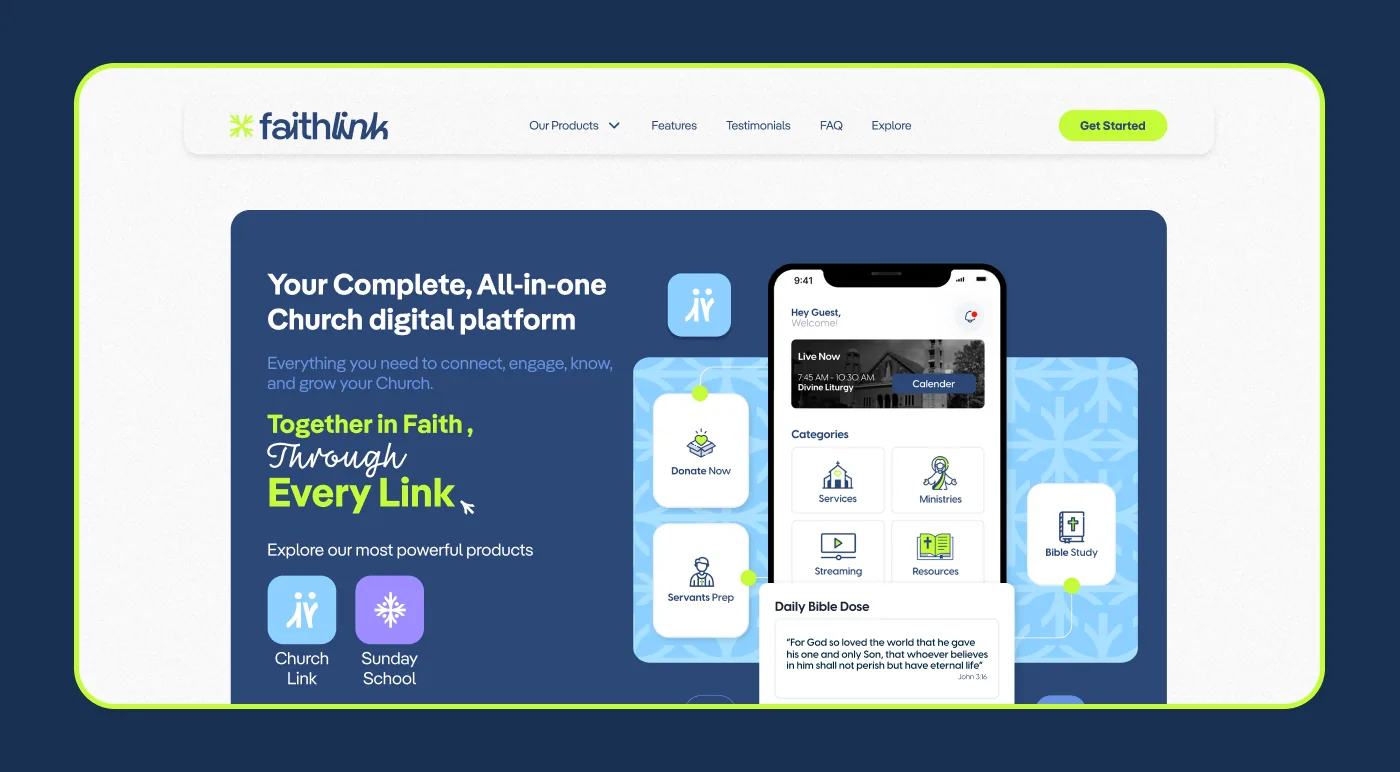
Faithlink website, the first screen: the church platform’s app beside the line Together in Faith, Through Every Link
The brand line, on the first screen
Brand identity and product design, 2024

Faithlink

What it is
The brand and website for a church platform with two apps, Church App and Sunday School.
My role
Brand identity, UX and UI, and the website, at Neevi Studio.
Result
Live at faithlink.app. The team builds its own marketing from the brand.
Read the case

All projects

My design process.
Six steps, with AI in each.

From a sketch to the shipped screen. Pick a step to see one sample screen at that stage, and the AI I added to it.

Understand

Who it is for, the job, and what failure costs.

AI I added: Intent discovery

Sketch

Pen first: many rough directions, fast.

AI I added: Information hierarchy

Wireframe

Structure, flow and every state, in grey.

AI I added: /ux-design, State completeness

Visual design

Type, colour and components from the design system.

AI I added: Design system kit for AI tools, Contrast check

Prototype and test

A working prototype people click, at real scale.

AI I added: Claude Code on the real system, Playwright checks, Prototype Review Mode

Review the build

Check what shipped against what was designed.

AI I added: UX Lab for Jira, /ux-review and /ux-audit

See the whole process

UX Crit.
A plugin that makes AI design like a designer would.

AI coding tools build screens that mirror the database: every field a row, and nobody asks what the person came to do. UX Crit is my plugin for AI code agents like Claude Code, Cursor and Codex. It makes the AI work out who a screen is for before it builds. Then a second AI agent tries to disprove each problem the first one finds.

Org-wide
rolled out across Incorta in September 2026
16
real problems found on one feature, before the stakeholder review
All 16
fixed before that review

A ranked audit of a screen.

It checks the screen against all eight skills. A second agent then re-checks every finding against the code and drops the weak ones. Each finding is pinned to an element, with a fix.

From a sentence to a spec, in order.

Describe what you are building. It works out who it is for and what failure costs, draws the wireframe, then lists every state the build needs.

A quick check before a change merges.

It reads only the lines that changed, so it is fast enough for every pull request. Each problem is pinned to its line.

Moves a screen onto the design system.

Hard-coded colours, spacing and corners are replaced with the project’s tokens. How the screen behaves stays the same.

An illustration with sample data. Pick a command to replay it.

See how UX Crit works

Writing.
How I think about AI in complex products.

4 min read

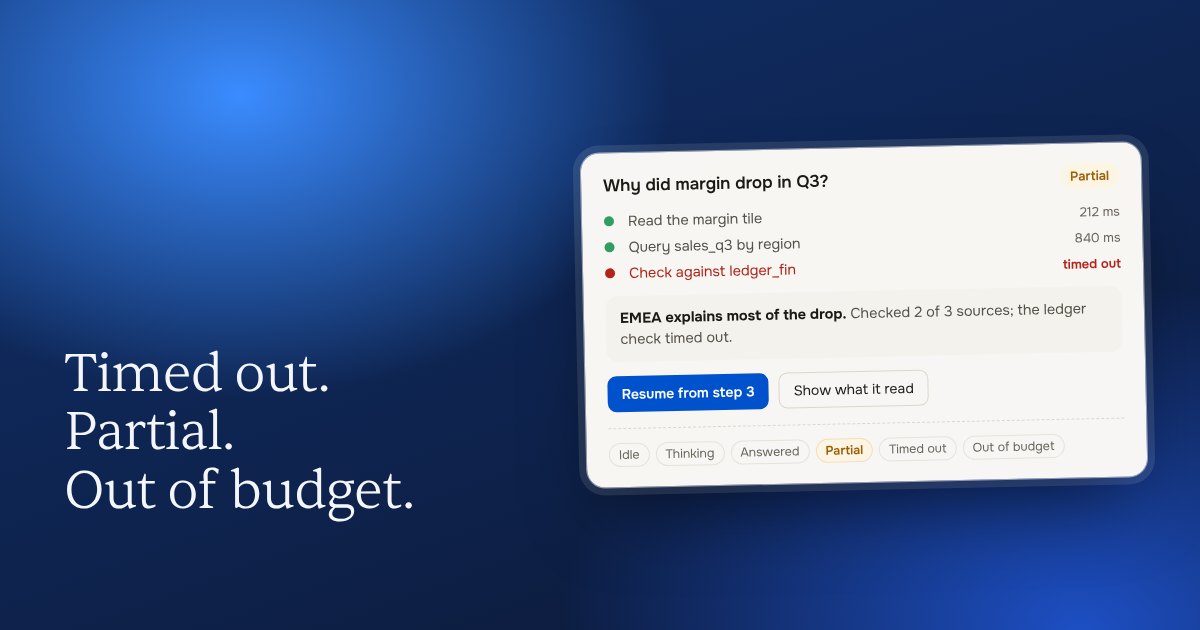
Design the failure first

What an AI answer should do when it times out, gets it wrong or runs out of budget, designed before the happy path.

4 min read

One row per proposed change

Why reviewing AI suggestions fails when the screen mirrors the database, and the one-sentence reframe that fixed it.

5 min read

Prototype inside the real product

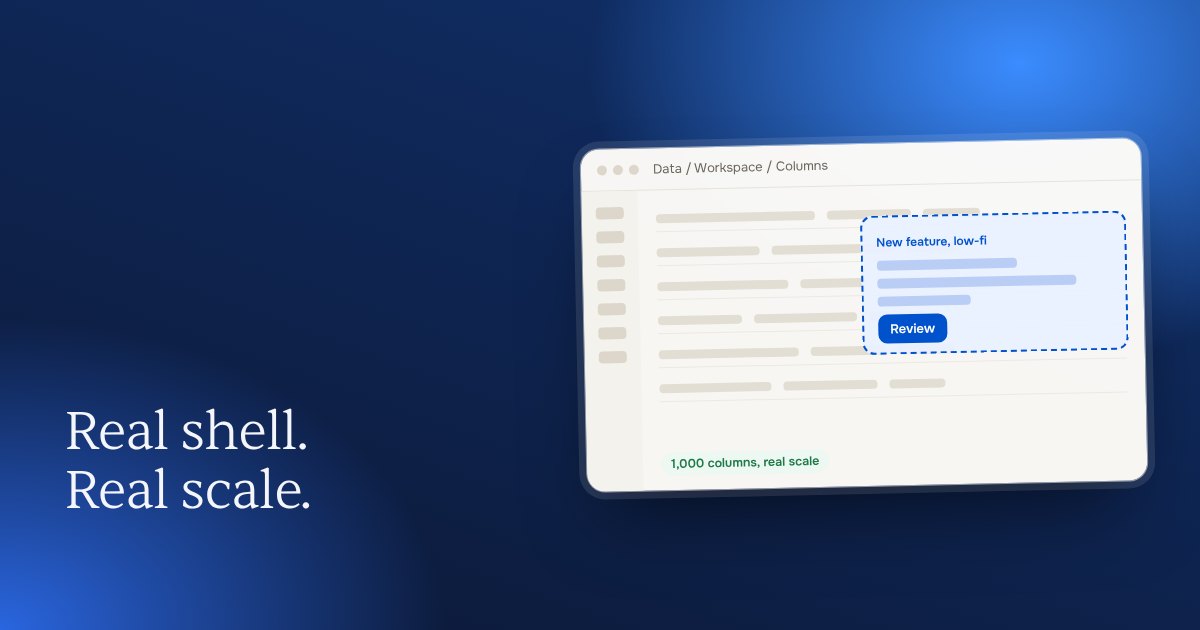
Why I put low-fi screens inside a copy of the live product, at real scale, so stakeholders decide without imagining anything.

All notes

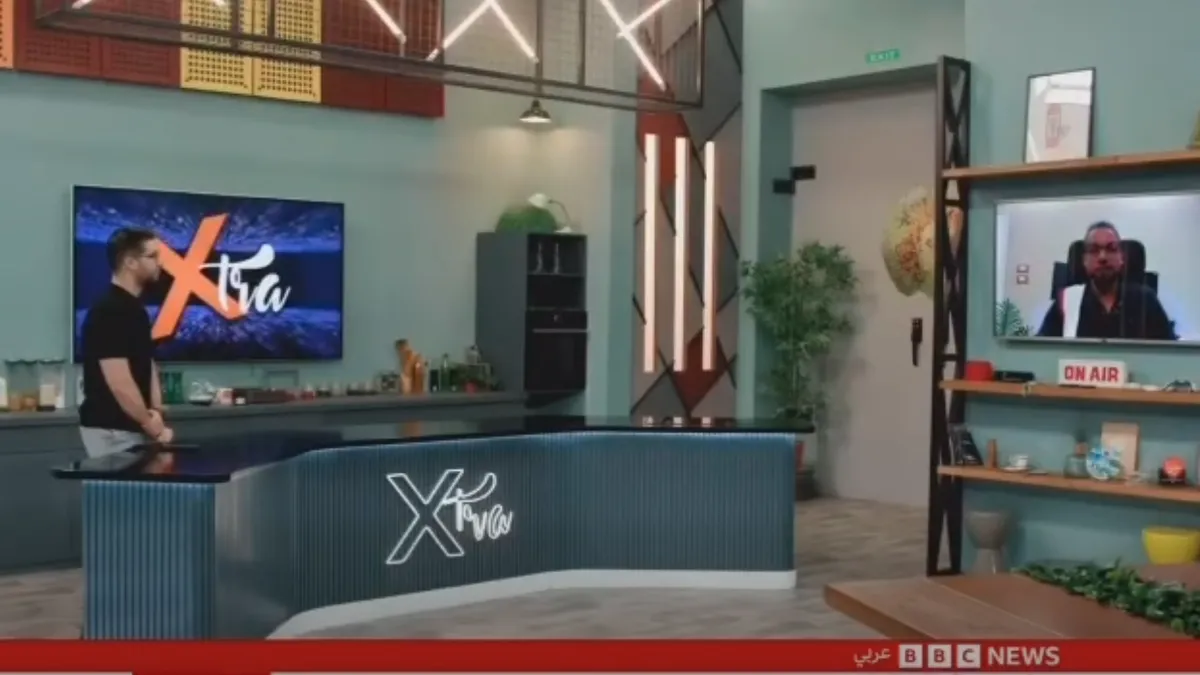
Interviews and features.
Where my work has been seen.

Beroz Studio, my brand-design pages700K+

views on the design videos I published while I focused on brand design.

You bring the problem.
I bring the prototype.

A few lines about what you want to fix. The reply comes from me, within two days.

Start a conversation
AI Native Dashboard: the home screen, ask your data anything